Winfield’s tax rebate for home and business improvements is up for three more years
The renewed 2027-2029 plan rebates up to 100% of the added taxes on qualifying work. Permits must be issued Jan. 1 or later, and the city hearing is Dec. 15.
By Rhett Hain
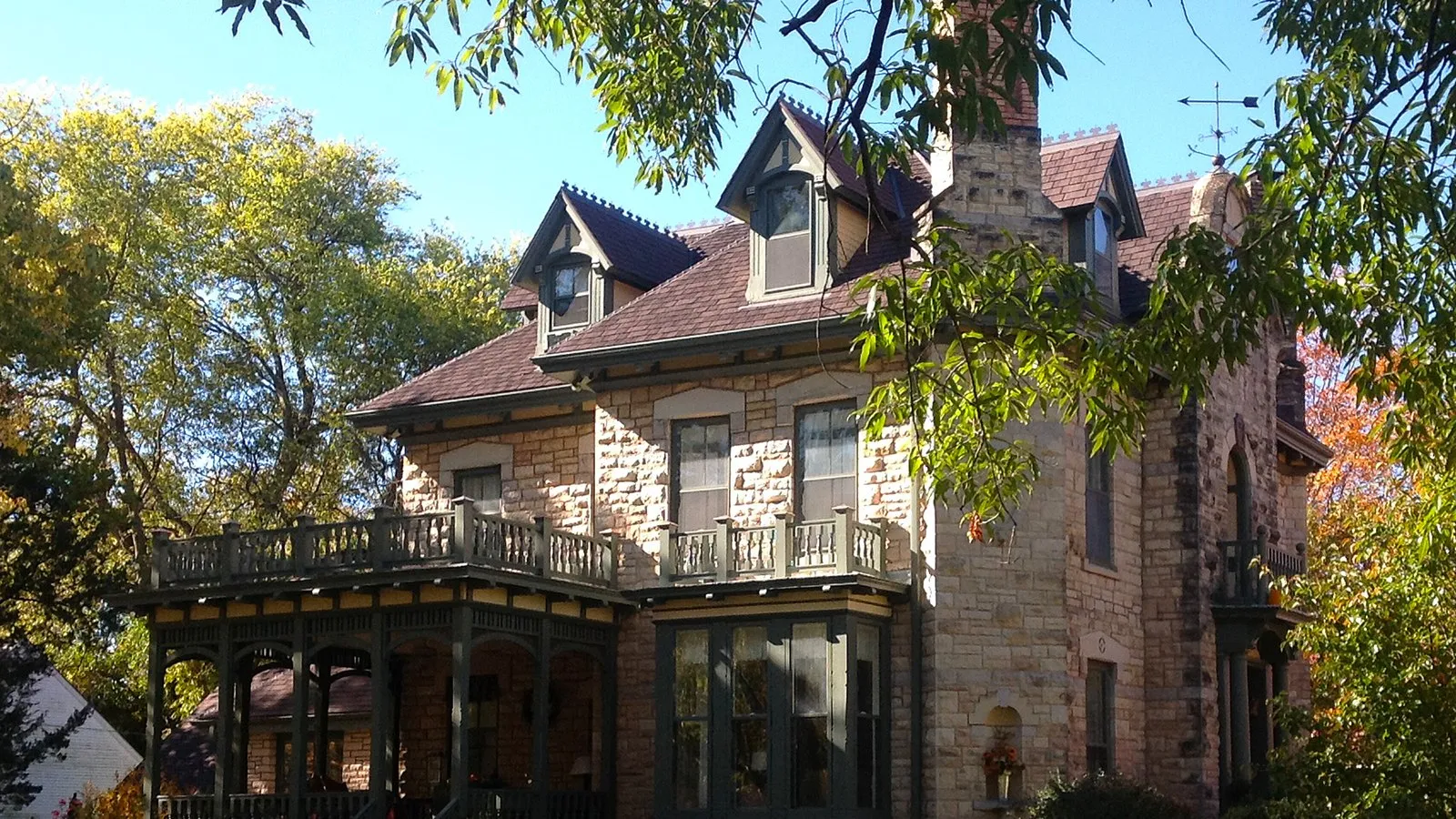

Winfield’s property tax rebate for home and business improvements is set to run three more years. The city’s Neighborhood Revitalization Plan expires Dec. 31, and a renewed 2027-2029 version is now moving through the four local governments that pay for it, with a city public hearing planned for Dec. 15.
The plan does not hand out grants. It rebates part or all of the new property taxes created when an owner improves a building, so the owner keeps paying taxes on the old value while the added value is taxed and then partly refunded. City Manager Taggart Wall laid out the terms in a Nov. 9 memo to the USD 465 school board, the Cowley College trustees and the Cowley County Commission, which was included in the Cowley College board packet for its November meeting.
For owners who have been putting off a remodel or an addition, the timing matters: only building permits issued on or after Jan. 1, 2027, count under the new plan.
How much is rebated, and for how long
The rebate depends on the kind of property and the kind of work, according to the plan summary in the packet:
- Residential rehabilitation and alterations: 100% of the added taxes for 5 years
- New single-family homes: 50% for 5 years, on the first $250,000 of appraised building value
- New multifamily buildings with two or more units: 90% for 7 years
- New commercial or industrial construction, and commercial or industrial rehab: 75% for 7 years
- Homes or businesses bought out of a tax or mortgage foreclosure and then rehabbed: 75% for 7 years
- Properties on the national or Kansas historic registers, or in Winfield’s local historic preservation areas: 100% for 10 years
Cowley County keeps 5% of each rebate to cover the cost of running the program. Rebates are transferable, so the remaining years stay with the property if it is sold.
The plan identifies six eligible areas: MidTown, West Ninth, Local Historic Preservation, Residential Properties, Commercial/Industrial Properties and Sheriff’s Sale. Owners outside a designated area can ask the City Commission for an adjustment, though the city’s FAQ warns those projects may face stricter criteria.
What doesn’t qualify
The threshold is a building permit worth at least $10,000. Foreclosure properties need a $20,000 permit, and that work has to be finished within 36 months after the sheriff’s deed is filed. The application costs $50 and must be returned within 60 days after the city sends it, which happens once a permit is issued.
Plenty of common projects are excluded. Tear-off re-roofs, detached garages, carports, gazebos, storage sheds, workshops, swimming pools, hot tubs, fences, landscaping and sprinkler systems don’t count, and neither does routine repair or maintenance. Converting a single-family house into apartments is excluded. So is any property already getting industrial revenue bond financing or another tax exemption, since each project can use only one incentive program.
The rebate is figured from the increase in appraised value that the Cowley County Appraiser’s Office sets on Jan. 1 after the work is done, and it applies to the improvement only, not to market swings. The city’s own example: a building appraised at $100,000 gets $25,000 of qualifying work and another $5,000 of market appreciation. Only the $25,000 is eligible. Owners have to pay their full tax bill first, and the county treasurer then sends the rebate. Anyone who falls behind on taxes after joining has 90 days to catch up.
Why the city wants to keep it
Wall’s memo ties the renewal to Winfield’s aging housing. More than 70% of the city’s homes are at least 50 years old, and more than a third are over 80, he wrote. A countywide housing study update set a target of 178 additional or rehabilitated housing units in Winfield through 2030. He also cited the city’s 2025 housing survey, which he said showed strong public support for preserving existing homes and encouraging new ones.
Mayor Greg Thompson made housing a theme of his November State of the City address, and the rebate program fits alongside the falling city mill levy covered in our look at the 2027 budget. The rebate covers the school district’s, college’s and county’s shares of the tax too, not just the city’s. That’s why all four bodies have to sign on. USD 465, Cowley College and Cowley County have been partners since the program started in the late 1990s, the memo says. The program runs under Kansas’s neighborhood revitalization law, K.S.A. 12-17,114 and following sections.
The calendar in the packet had the school board taking up the interlocal agreement on Nov. 9, the county commission on Nov. 17 and the college trustees in mid-November. Once all four have signed, the agreement goes to the Kansas attorney general for approval and is recorded with the Cowley County Register of Deeds. The Winfield City Commission will then hold a public hearing and vote on an ordinance adopting the 2027-2029 plan on Dec. 15. Property owners with questions can call the city’s Community Development Department at 620-221-5520. More coverage of local taxes and budgets is on our Finance page.