Kansas wheat is 92% planted, but only half the crop rates good or excellent
The state's sorghum harvest is well behind average, and the south-central district, where Cowley County sits, lags on emergence.
By Burt Hittle
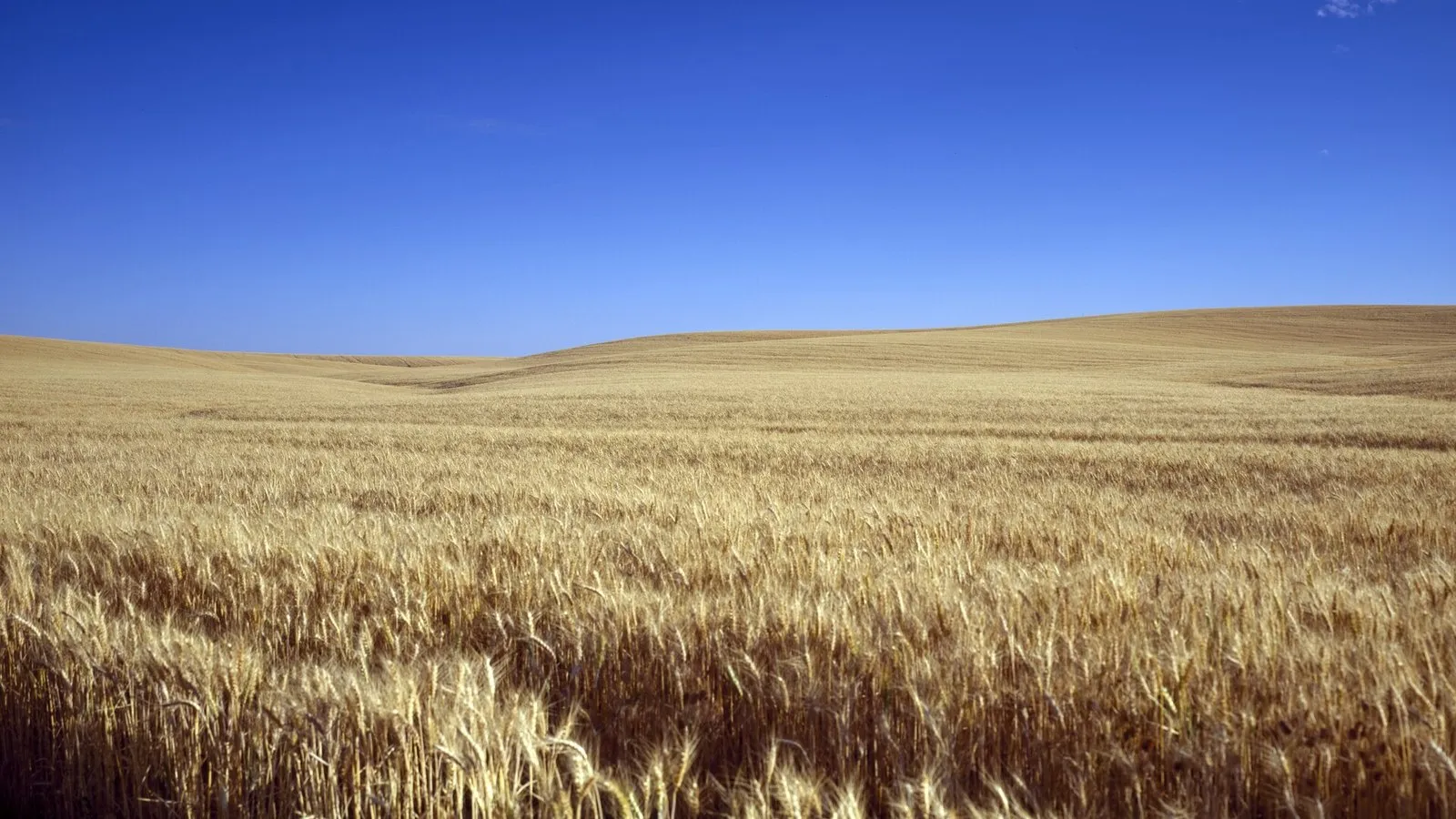
Kansas farmers had 92 percent of their winter wheat planted as of Sunday, Nov. 8, close to the five-year average of 93 percent, but only about half the crop is rated good or excellent, and the sorghum harvest is well behind where it normally is by now.
Wheat
The U.S. Department of Agriculture’s weekly Kansas report, released Monday, rated the state’s winter wheat 11 percent excellent, 40 percent good, 33 percent fair, 11 percent poor and 5 percent very poor. That puts 51 percent in the top two groups. Seventy-eight percent of the crop had emerged, equal to average.
Cowley County sits in the south-central district, which was a little behind the state: 86 percent of its wheat was planted and 72 percent had emerged. The northwest, west-central and southwest districts were ahead, with 97 to 100 percent planted. The northeast, east-central and southeast districts were furthest behind, at 72 to 77 percent planted.
Fall harvest
The state’s corn harvest was 88 percent done, against a 92 percent average. Soybeans were 78 percent harvested, behind the 86 percent average. Sorghum was 95 percent mature, but only 57 percent was harvested, well behind the 80 percent average. In the south-central district, 98 percent of the corn was in.
Sunflowers were 64 percent harvested, against a 79 percent average, and cotton was 39 percent harvested, against 44 percent. Kansas Ag Connection carried the numbers Wednesday.
Moisture and pasture
There were 4.3 days suitable for fieldwork. Topsoil moisture was rated 71 percent adequate and 11 percent surplus, with 18 percent short or very short. Subsoil was 68 percent adequate and 8 percent surplus, with 24 percent short or very short. Pasture and range conditions were rated 4 percent excellent, 33 percent good, 40 percent fair, 14 percent poor and 9 percent very poor.
The agency collects its numbers from county-level reporters, including the Farm Service Agency and K-State Research and Extension offices. The report comes out weekly.